
Mental health and psychosocial hazard training for workplaces.
Early recognition. Practical response. Safer workplaces. Stronger WHS compliance.
Who do you work with?
Workplaces
Training for businesses and organisations ready to build a mentally healthier culture, from small teams to large enterprises
Community Organisations
Practical programs for community groups, sporting clubs, NDIS providers and not-for-profits.
groups Working with Young People
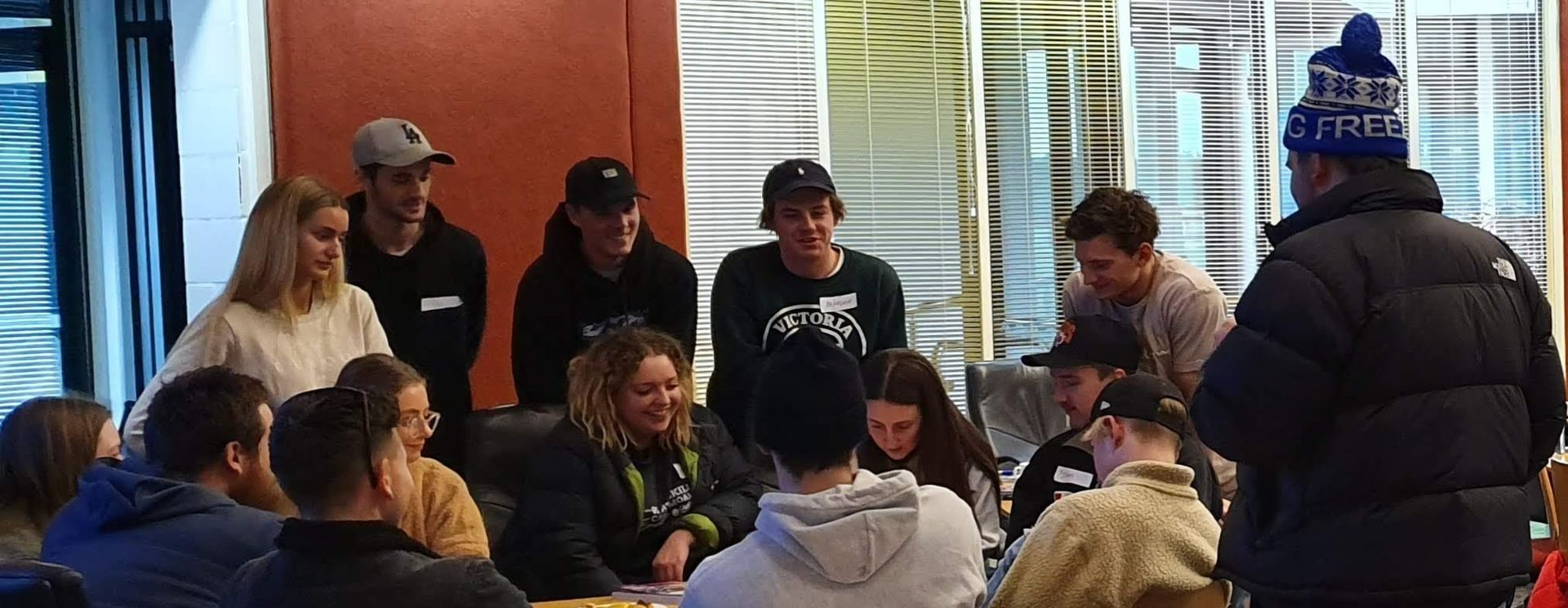
Equipping teachers, coaches, carers and youth workers to support young people aged 12–18.
Psychosocial Hazards - is your workplace meeting its WHS obligations?
Australia’s Work Health and Safety laws now require organisations to identify, manage and monitor psychosocial hazards — the workplace risks linked to stress, burnout and psychological injury. Failure to act can expose organisations and leaders to serious legal and governance consequences. Every worker also has a responsibility to contribute to a psychologically safe workplace.
Since 2023, MH Training has been helping workplaces understand these obligations and take practical action.
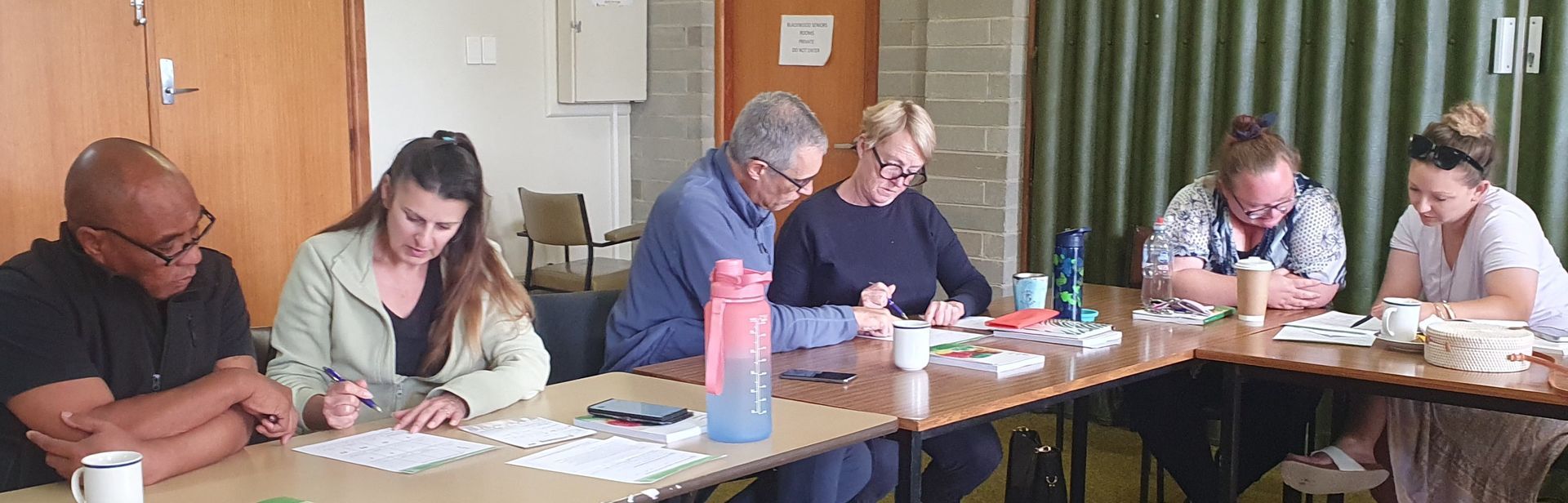
Our interactive Psychosocial Hazards Workshops equip leaders and teams with practical tools to recognise risks early, strengthen workplace culture and build safer, WHS-compliant workplaces.
Each workshop includes a written summary report with practical insights and next steps to support meaningful workplace change.
Our programs
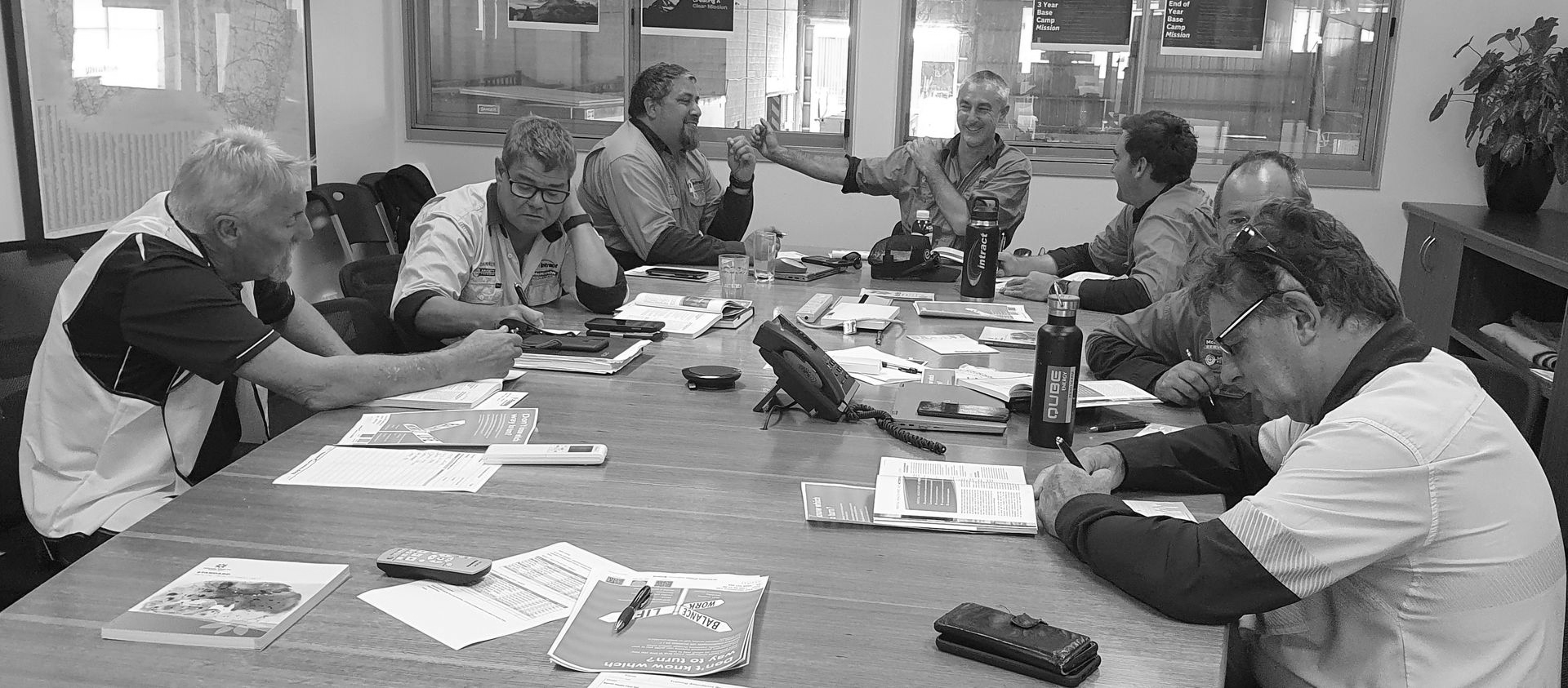
Psychosocial Hazards
Understanding the role we all play - for meeting WHS obligations
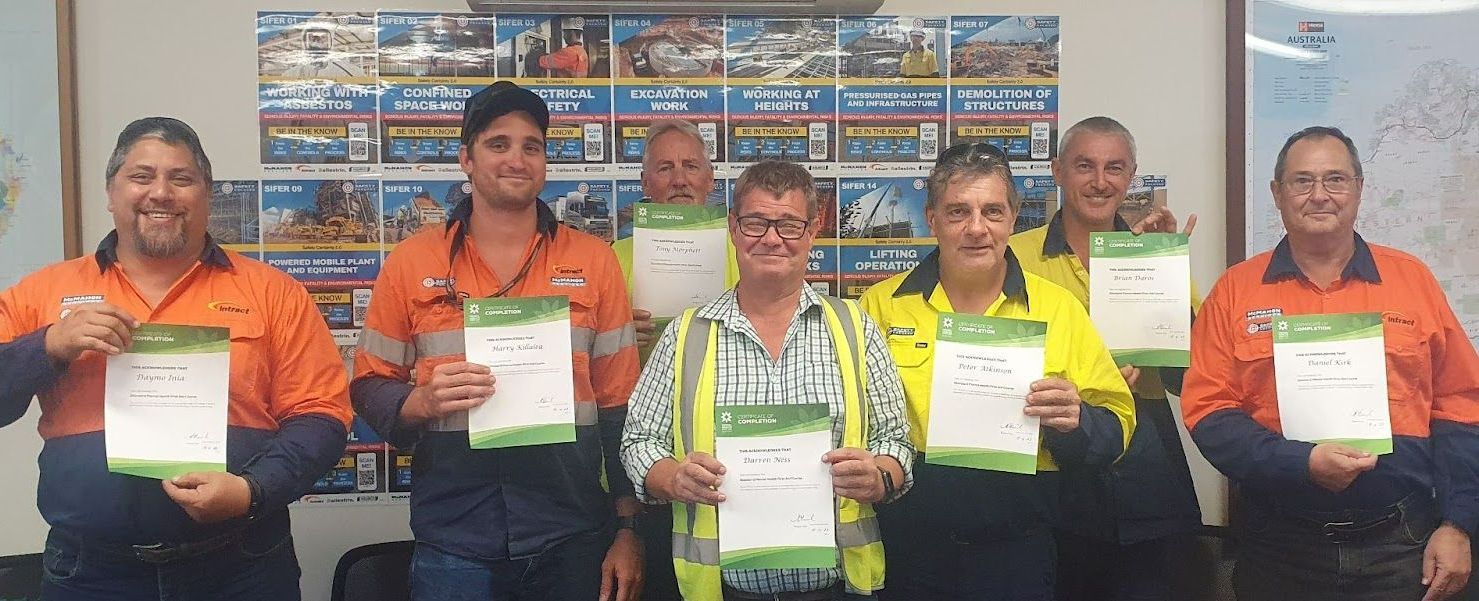
The Working Mind
to build resilience and wellbeing across staff (NEW)

Online Self-Paced Modules
for individuals or as a complement to face-to-face training
About MH Training
Mental health training, made to measure.
MH Training delivers evidence-based mental health programs to workplaces and organisations across Australia. Every course is facilitated by Pauline Neil, Principal Master Instructor of Mental Health First Aid and Co-Founder of the award-winning Live4Life initiative.
No generic off-the-shelf programs. Every session is tailored to your people, your context and your goals.
Testimonial
I really mean this, where do l begin?, in all the training l have ever attended in all my years with the company, nothing has come close to what l got out of your course.
For me it was raw, emotional and a game changer. I simply can’t get the course out of my head even 2 days after it concluded.
It has been an absolute profound impact but in a positive way, let me assure you. You Pauline helped me realize the burdens l was carrying without actually realizing this before the course, i.e., the “ shit in the bucket” scenario. Branko - Manufacturing
Training multiple teams?
Book 5 or more courses and receive 15% off.
Talk to us about building a training plan that works across your organisation.